Beyond Pottery; Product design for business, craft design and design for community.

Updated: Nov 4, 2018
Inspiring youth to transform their pottery culture and passions into action through strategic product design, entrepreneurship, and helping them to grow their family business/tradition.
Project timeline
Craft and Community
Classroom Project
10th Nov 2013 - 9th Apr 2014 Role: - Design researcher, Product design, Branding and packaging design
Created at
Srishti School of Art, Design, and Technology
Team member
Rigzin Tsewang:- Furniture Designer student at Srishti
Project details
The project “Beyond Pottery” seeks to bring design thinking, business strategy, and Product design altogether to bring sustainable livelihood in Pottery town, an area which is a home of more than 40 porter families in Bangalore city.
This area is established more than 80 years ago, encompasses nearly 40 Porters families over a few streets.
Early stage design process
The design process was iterative and human-centered. The quantitative field survey led to a thorough understanding of the role playing by different stakeholder within the porter community. Which gave me insides to move to the ideation stage.
Problems:-
Diverted younger generation from pottery business because of low or seasonal demand.
Customers expectations from pottery are limited to the traditionally thrown pots on a wheel.
They haven't explored the functional uses of material by understanding its properties beyond what they are already designed.

We as a team of two designers spend our most of time in human-centered design research and understand the people from pottery town after stepping in their shoes and understand their hopes, fears, needs, and problems they are facing. And coming up with the insides to deliver the value which makes sense for them, something that is desirable, feasible and financially viable.

After detailed research on community, we decide to create an example after designing a product for them something that is vey to make for the porter from the community without even required further training and industrial machinery. And stat a conversation with the porters to think and apply entrepreneurial mindset in their work. Which leads both of us to conduct a customer research to understand the aspiration of the consumer through the pottery, the product they want to see and use in their daily life, which secures high demand for the porters.

Design Concept
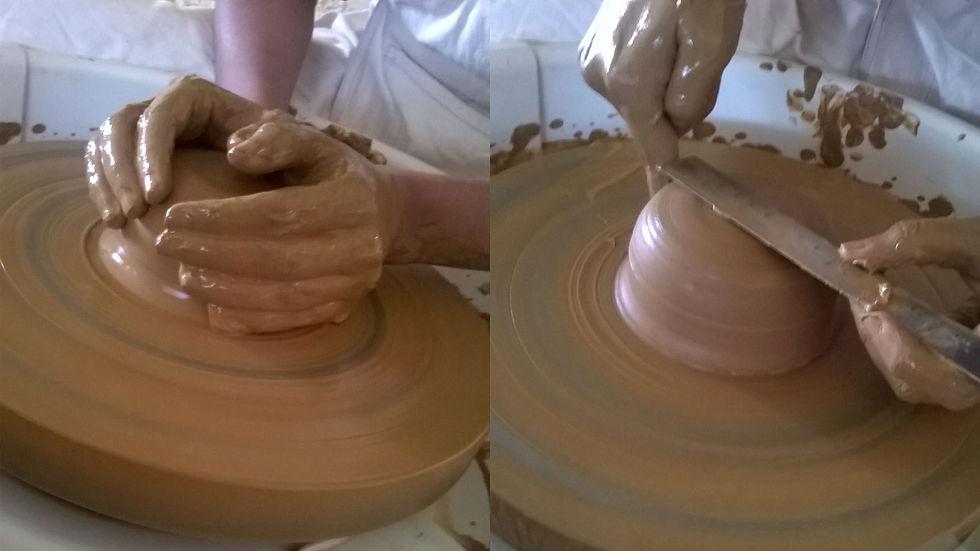
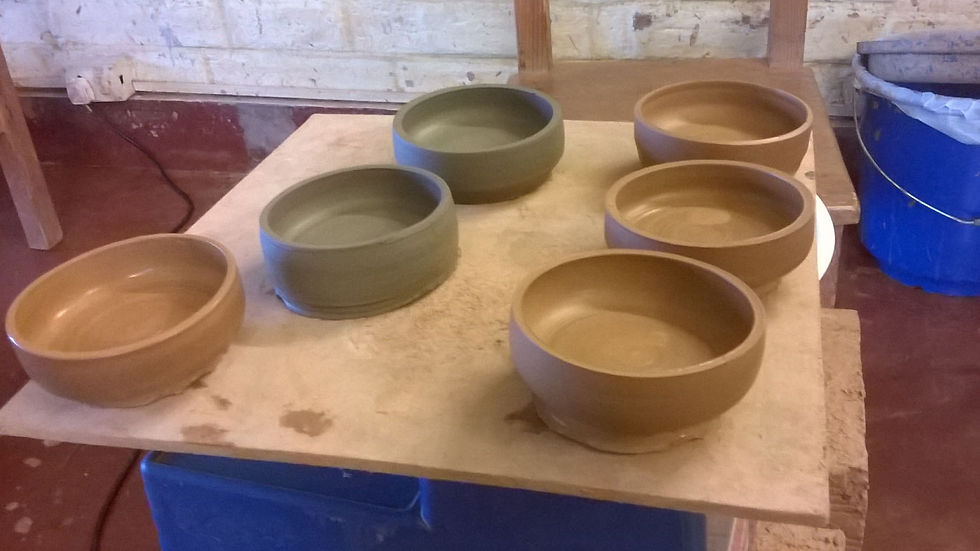
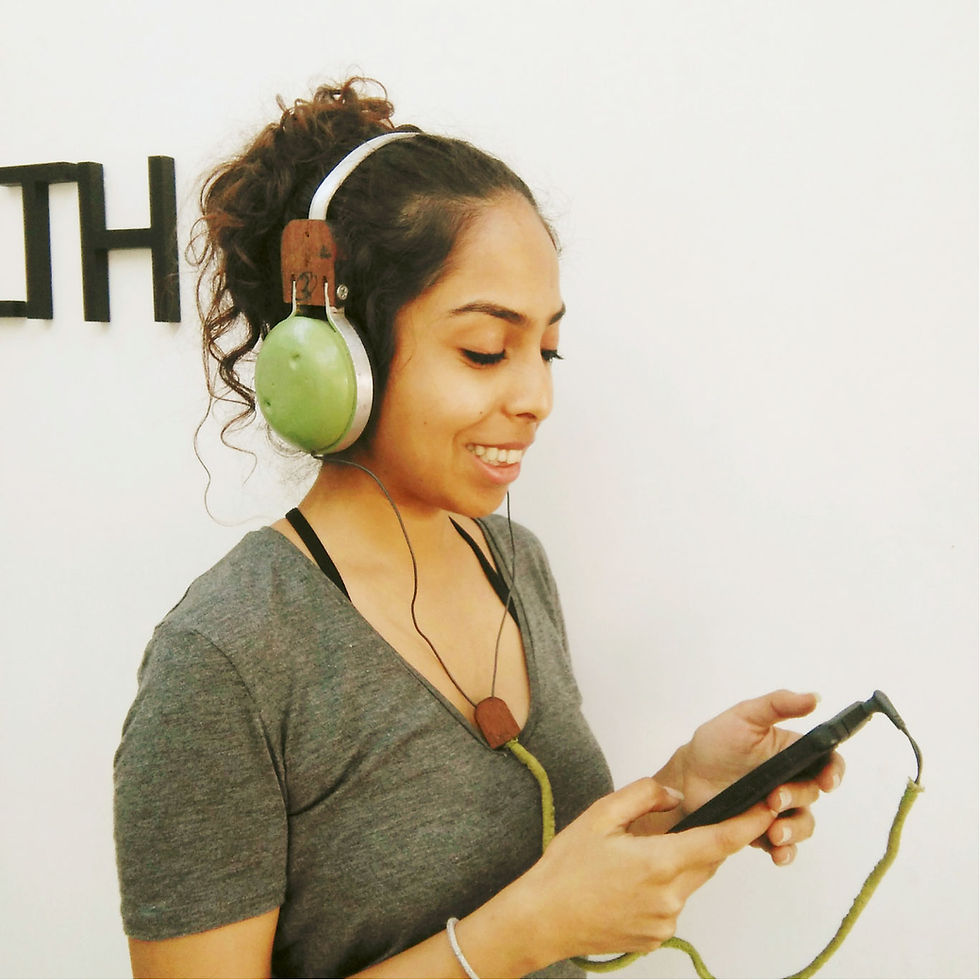
And finally, we decide to design a headphone out of clay inspired by south Indian music instrument "Ghatam" which produce a unique sound effect because of porosity of the clay. This designing process of headphone helps us to understand the different properties of materials use by porters include clay, terracota, eathernware, stoneware etc..
We have also designed the branding, packaging for headphone. We have also done a partnership with different channels to sell their projects. After getting trained to apply design and entrepreneurial mindset in their pottery tradition, five families has stated to selling their projects on different channels like, lea markets, local shops, exhibitions, online stores etc...
The process of designing MUD
Mud is headphone made by earthenware which product a unique sound because of porosity of
material and used metal chips while firing up the clay.
We have to use an Aluminum frame to secure the headphone after accidentally fall and at the same time, its allow us to keep the weight of the headphone as minimum as possible.
We have stated designing of MUD with a material research to utilised the capabilities of clay as a material, at the same time, we adapt the human-centered approach to design a product something which has a newness to surprise consumers and at the same time it should be vey to easy to make for the porters.
MUD is a headphone made out of clay inspired by south Indian music instrument "Ghatam" which produce a unique sound effect because of porosity of the clay and metal chips used while firing up the clay. We have to use an Aluminum frame to secure the headphone after accidentally fall and at the same time, its allow us to keep the weight of the headphone as minimum as possible.
By continually iterating, refining, and improving the headphone, we put ourselves in a place where we'll have a product which much refined as other headphones available in the market.




Comments